
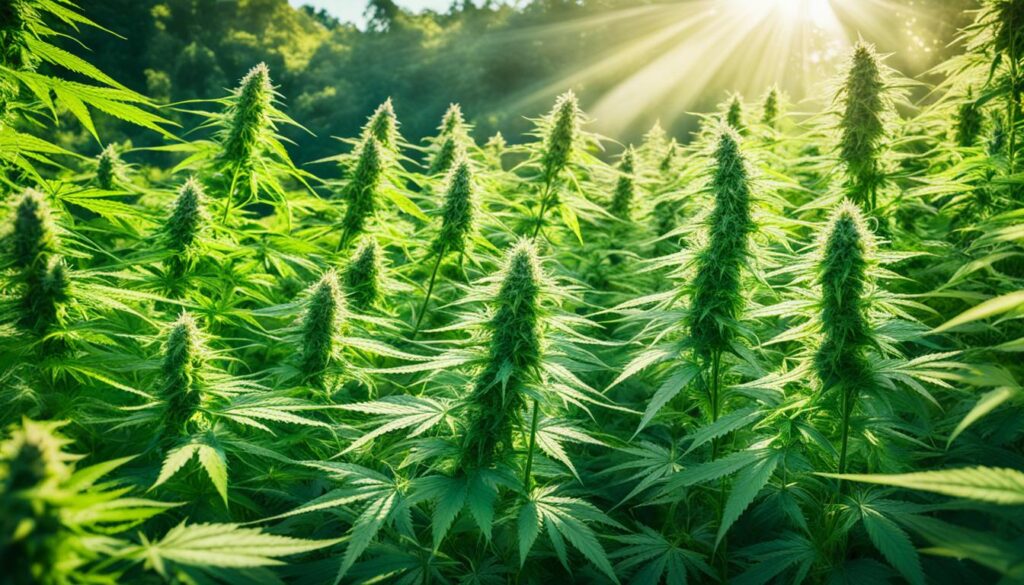
In the heart of Cambodia, Takeo province is famous for its cannabis. It has a long history of growing and making weed. Now, it’s a hot spot for those who want to learn about the area’s marijuana scene.
Let’s explore the world of cannabis in Takeo together. We’ll look at the old ways of growing weed, the rise of illegal grows, and how it all moves through trade routes and networks. This is the story of Southeast Asia’s hidden weed trade.
Key Takeaways
- Takeo province in Cambodia has a long history of cannabis cultivation and production.
- The region has witnessed the emergence of illegal grow operations, contributing to the thriving underground marijuana industry.
- Intricate trade routes and distribution networks have facilitated the widespread distribution of weed in Takeo.
- Understanding the historical context and the current state of the marijuana scene in Takeo is crucial for navigating the complex legal landscape.
- Exploring the economic and social impacts of the weed trade in Takeo can provide valuable insights into the region’s ongoing challenges.
The Flourishing Marijuana Scene in Takeo Province
Takeo Province in Cambodia is known for its cannabis cultivation. For many years, farmers have grown marijuana using old ways. But, in the last few decades, there’s been a big increase in illegal grow operations.
Now, criminal groups have started big, secret marijuana plantations. They do this to meet the high demand for the drug.
Historical Cannabis Cultivation Practices
In Takeo, farmers have always grown cannabis for money. This has been a big part of their farming for a long time. They pick the best places to grow and take great care of their plants.
These historical cannabis practices help them grow lots of high-quality cannabis.
Emergence of Illegal Grow Operations
Recently, the marijuana farming in Takeo has gotten worse. Big, secret illegal grow operations have started. Criminals use the area’s cannabis cultivation skills and good weather to grow lots of marijuana.
These illegal grow operations have made the marijuana industry in Takeo very big. They have also made a big, secret economy.
“The cannabis cultivation practices in Takeo have been passed down through generations, reflecting the deep-rooted cultural significance of this crop in the region.“
weed in Takeo: A Thriving Underground Industry
The weed in Takeo has become a big deal, with secret cannabis trade routes and networks. Weed from Takeo goes to other countries and places in Cambodia. Criminal groups have made the weed trade big and organized.
Cannabis Trade Routes in Takeo
Takeo is near Vietnam and Thailand, making it key for drug trafficking in Southeast Asia. Weed from here goes to big cities in Cambodia and other countries. People want it a lot.
- Weed from Takeo goes to Vietnam, sold in the black market.
- It also goes to Thailand, through networks in the north.
- In Cambodia, it reaches cities like Phnom Penh and Sihanoukville.
These routes are protected by criminal groups. This makes it hard for police to stop the weed trade in Takeo.
“The weed trade in Takeo has become a lucrative underground economy, fueled by the province’s strategic location and the growing demand for marijuana in the region.”
Legal Implications and Risks
Marijuana in Takeo is in a legal gray area. This means big risks and implications. Cambodia has strict laws against growing, having, and moving cannabis. Those caught in the drug trade face arrest, court, and jail.
Even with the risks of the marijuana trade in Takeo, it’s a big place for illegal grows. Drug laws in Cambodia are tough. People caught with or moving cannabis face big punishments. The legal status of weed in Takeo makes things uncertain for those in the industry.
- Cambodian interest in organic farming was measured at 70% of interviewed farmers.
- 88% of 210 pesticide-using farmers experienced symptoms of poisoning.
- The direct cost of Cambodian pesticide use is estimated at US$7-20 million per year.
- Developing countries spend approximately US$3 billion annually on pesticides, with one-third (US$900 million) not meeting international quality standards.
Bad use of pesticides in Cambodia hurts food safety, health, exports, and tourism. It also makes pests resistant to pesticides, leading farmers to use more. Western companies don’t do enough to teach safe use. This use is risky for people, the planet, and the economy.
“Over one million Americans are legally using medical marijuana, with nearly half of the country living in states where this treatment option is available. As of July 2014, 23 states and the District of Columbia have laws allowing the use of cannabis under a doctor’s supervision. Federal law prohibits the prescription of cannabis but permits recommending its therapeutic use without legal jeopardy.”
The rules around weed in Takeo are complex and changing. Even though it’s a big place for illegal grows, the legal issues with the marijuana trade are big worries for those in it. With drug laws in Cambodia being strict, the risks of the marijuana trade in Takeo stay high. This makes the situation uncertain and risky for everyone in the industry.
Impacts on Local Communities
The marijuana trade in Takeo has big effects, both good and bad, on local communities. It has given some people jobs and money. But, it’s illegal, leading to more crime, violence, and addiction.
Economic Effects of the Marijuana Trade
Some folks in Takeo have found work in the weed trade. This has helped them support their families and live better. But, the trade’s illegal status has also created a shadow economy. This has hurt traditional jobs and made the economy unstable.
Social Consequences of Drug Production
The weed trade has hurt the social life in Takeo. It has caused more crime, violence, and addiction. This has made life less safe and well for the people living there. Families and individuals are finding it hard to deal with the drug industry’s effects.
| Positive Impacts | Negative Impacts |
|---|---|
|
|
The weed trade in Takeo shows us how complex this issue is. It has good and bad sides. We need to think about this carefully when making decisions.
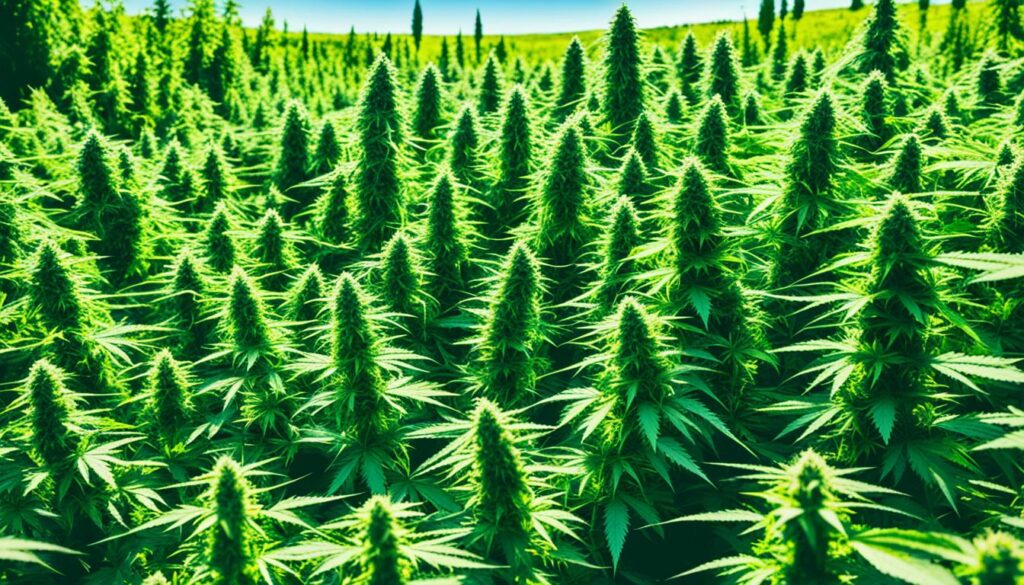
Weed in Takeo, Cambodia: Laws, Culture, and What Travelers Should Know
Takeo is one of Cambodia’s quieter provinces, located in the southern part of the country not far from the capital Phnom Penh. Known for its rice fields, ancient temples, and rural lifestyle, Takeo offers a very different experience compared with Cambodia’s busy tourist hubs like Siem Reap.
Because Cambodia is sometimes associated with relaxed attitudes toward cannabis in popular travel stories, many visitors wonder about weed in Takeo. Is it legal? Do locals use it? Can tourists buy it? What are the risks?
This guide explains everything in clear and simple language. We’ll explore the laws, cultural background, local attitudes, and practical advice so travelers can understand the situation and avoid misunderstandings.
Takeo Province: A Peaceful Rural Setting

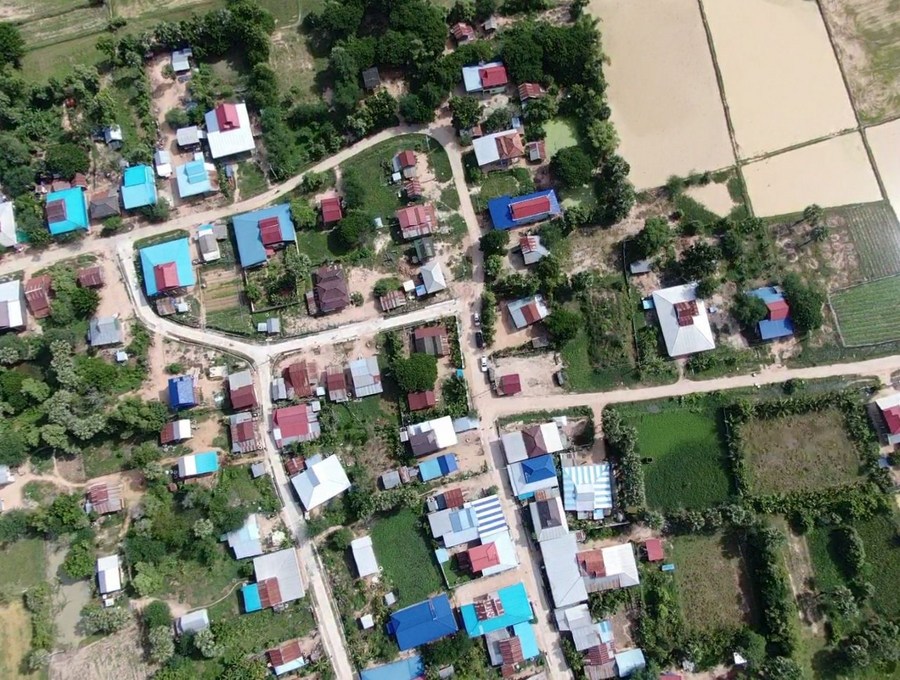
Takeo is often described as one of the birthplaces of Khmer civilization. The region contains several ancient archaeological sites and temples that predate the famous Angkor complex.
Life here is slower and more traditional than in Cambodia’s large cities. Most residents are involved in:
Farming and agriculture
Fishing
Small family businesses
Local markets and trade
Tourism exists but is not as large as in other parts of the country. Visitors often come to explore historical temples such as Phnom Da Temple or take boat rides through flooded forests.
Because of its quiet environment, Takeo does not have a visible nightlife or party scene. This also influences the situation surrounding cannabis.
Cannabis Laws in Cambodia
Before discussing Takeo specifically, it’s important to understand the national law in Cambodia.
Cannabis is illegal in Cambodia.
The country’s drug laws prohibit:
Possession
Sale
Cultivation
Distribution
Transportation of cannabis
These laws are enforced under Cambodia’s anti-drug regulations, which classify marijuana as a controlled narcotic.
Possible Penalties
Punishment depends on the amount involved and whether authorities believe trafficking is taking place. Consequences may include:
Fines
Detention
Jail sentences in serious cases
Although some travel stories online describe Cambodia as relaxed about weed, the official law remains strict.
Tourists should never assume that cannabis is legal or tolerated simply because someone says it is.
Why People Think Cannabis Is Common in Cambodia
You may hear travelers talk about “happy pizza” or restaurants serving cannabis-infused food in Cambodia.
This reputation mainly developed in cities like Phnom Penh and Siem Reap years ago.
Some restaurants quietly offered food containing cannabis, especially pizzas or baked dishes. However, these practices were always technically illegal.
In recent years, the Cambodian government has cracked down on such businesses. Many places that once advertised “happy” dishes have stopped doing so due to enforcement pressure.
Takeo, being a smaller and more traditional province, never had this type of restaurant culture to begin with.
Is Weed Available in Takeo?
In rural provinces like Takeo, cannabis is not openly available.
You will not find:
Cannabis shops
Legal dispensaries
Public markets selling weed
Tourist stores offering cannabis products
Any cannabis that exists in the region is part of illegal private activity, and attempting to purchase it can bring serious risks.
Visitors who try to ask around for weed may attract unwanted attention or become targets for scams.
Local Attitudes Toward Cannabis
Cultural attitudes in Cambodia are influenced strongly by tradition, religion, and community values.
Most people in Takeo follow Theravada Buddhism, which encourages moderation and avoidance of harmful substances.
While some older generations remember cannabis being used in small amounts in cooking or herbal medicine many decades ago, modern Cambodian society generally discourages recreational drug use.
In rural areas like Takeo:
Communities are close-knit
People know their neighbors
Outsiders are noticed easily
Because of this, illegal activities such as drug sales are not common in everyday village life.
Visitors are expected to respect local customs and laws.
Law Enforcement in Rural Cambodia
Drug enforcement varies across Cambodia, but authorities take narcotics laws seriously.
In rural provinces like Takeo, police presence may not be constant, but drug-related cases can still lead to legal trouble.
Foreign tourists caught with illegal substances may face:
Detention
Legal investigations
Deportation
Travel restrictions
Even small misunderstandings can become complicated due to language barriers and unfamiliar legal systems.
For this reason, responsible travelers avoid involvement with drugs altogether.
Health and Safety Concerns
Illegal cannabis markets anywhere in the world carry health risks.
Because there is no regulation, products may contain:
Pesticides
Mold
Chemical additives
Unknown potency levels
In Southeast Asia, these risks can be even higher because quality control and testing are rarely available.
Additionally, tourists who mix cannabis with alcohol or unfamiliar environments may experience negative reactions such as:
Anxiety
Confusion
Dehydration
Disorientation
Traveling safely means understanding these risks before making decisions.
Cambodia’s Changing Drug Policies
Cambodia has been strengthening its anti-drug policies in recent years.
The government has launched national campaigns focused on:
Reducing drug trafficking
Preventing addiction
Protecting young people from narcotics
These campaigns emphasize strict enforcement and public awareness.
Although some countries around the world are moving toward cannabis legalization, Cambodia has not announced plans to legalize recreational marijuana.
For now, the legal status remains unchanged.
What Travelers Should Do Instead
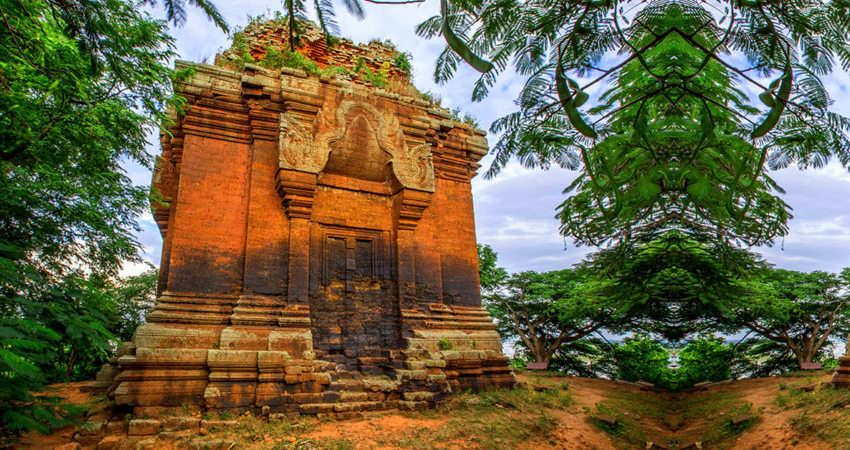
Fortunately, Takeo offers many incredible experiences that have nothing to do with cannabis.
Explore Ancient Temples
Takeo is home to some of Cambodia’s oldest religious sites.
One highlight is Phnom Da Temple, which sits on a hill overlooking the surrounding countryside. The temple dates back to the early Khmer kingdom and provides stunning views.
Nearby archaeological sites include Angkor Borei, believed to be one of the earliest urban centers in Cambodian history.
Take a River Boat Tour
Boat tours along canals and flooded forests allow visitors to see traditional Cambodian life up close. These trips often pass through quiet villages and rice fields.
Visit Local Markets
Takeo’s markets are lively places where locals buy fresh produce, fish, spices, and handmade goods.
Travelers can enjoy authentic Cambodian street food such as:
Noodle soups
Grilled meats
Sticky rice desserts
These experiences give a deeper understanding of local culture.
Learn About Khmer History
Takeo is considered one of the cradles of Khmer civilization. Museums and local guides can explain how the region developed long before the Angkor empire.
History lovers often find Takeo fascinating because it reveals the early roots of Cambodian culture.
Responsible Travel in Cambodia
Traveling responsibly means respecting the laws and traditions of the country you visit.
In Cambodia, this includes:
Avoiding illegal substances
Respecting religious sites
Dressing modestly at temples
Supporting local businesses
Learning about Khmer culture
Responsible travel not only keeps visitors safe but also supports local communities.
Common Myths About Weed in Cambodia
Many travelers hear rumors before arriving in Southeast Asia. Here are a few common myths explained.
Myth 1: Weed is legal in Cambodia
False. Cannabis remains illegal under national law.
Myth 2: Tourists can easily buy cannabis everywhere
False. Any sales are illegal and risky.
Myth 3: Police ignore cannabis use
Not true. Enforcement may vary, but authorities can still take legal action.
Understanding the facts helps visitors avoid problems.
The Future of Cannabis Laws in Cambodia
Across the world, cannabis policies are changing. Countries such as Canada, Uruguay, and parts of Europe have legalized or decriminalized marijuana.
However, Southeast Asian nations generally maintain strict drug laws. Cambodia is likely to continue its current approach for the foreseeable future.
While discussions about medical cannabis occasionally appear in global health conversations, Cambodia has not introduced a national medical marijuana program.
For now, the safest assumption is that cannabis will remain illegal in the country.
Final Thoughts
Takeo is a beautiful and historic province filled with quiet landscapes, ancient temples, and authentic Cambodian culture.
When it comes to weed in Takeo, the reality is simple:
Cannabis is illegal in Cambodia.
Possession or sale can lead to legal trouble.
There are no legal dispensaries or cannabis shops.
Tourists should avoid involvement with illegal drugs.
Instead of searching for cannabis, visitors will gain far more by exploring the region’s incredible history, temples, and rural life.
From boat trips through peaceful waterways to hikes up ancient temple hills, Takeo offers a unique travel experience that reflects the heart of Cambodia.
Respecting local laws and traditions ensures that your trip remains safe, memorable, and rewarding.
Conclusion
The cannabis culture in Takeo province is complex and has a long history. It has a thriving underground industry and big legal and social issues. The area is known for growing cannabis, but illegal grows and drug trade are big problems now.
Cambodia faces big challenges with the marijuana industry. It must balance making money with keeping people safe and following the law. We need a deep look at the weed in Takeo to find a lasting solution that helps the people.
The story of cannabis in Takeo shows it’s a tough issue. We need a plan that looks at history, money, and social things. By tackling these problems, Cambodia can make the most of its land. This will help its people and make the country more stable.
As a veteran weed smoker for over 30 years and been very clean for the last 3 years, I have been craving it.
One thing I’ve never done is consume it?
I came across SunJet Plug and thought mmmm how esp with legalities etc.
So I made the plunge and purchased 12 brownies, well within 30 mins it kicked in and it was immense as I had a whole one from the off 😜
The rest did not last a week I was having 2 a day and my wife lost me for a few days I was in my own world apparently.
Kudos to the Sunjet plug love em, the taste is a bit undesirable could do with a tweak or two other than that no complaints
Contact him on his telegram link: t.me/sunjetplug
His email : sunjetplug@gmail.com
Many many thanks.😁
Take note ,he does not have telegram channels
Sunjet plug is 100% legit.. I’m a repeat customer.. I’ve ordered 10+ times now, and I’ve never had an issue.. Great product, great service.
Sunjet plug is extremely trust worthy , they never fail in what ever product I order, and its always in my hands with an hour of ordering 99% of the time….. its honestly rare when its more than 2 hours and that’s only because its the weekend when ive orded or a national holiday is on or something lol …. brilliant service I’m probably pushing maybe 2 months with them and I’ve never been disappointed ❤️ my only recommendation would maybe do a stamp card to get something free after 5 orders or a loyalty bonus of some kind ❤️
Email sunjet.. sunjetplug@gmail.com